Psychological support and adaptation service of KazUTB
The main mission of the Psychological Support and Adaptation Service (PSAS) is to promote the creation of favorable conditions for maintaining and strengthening the mental health of students, faculty, and staff of the University. The service is designed to provide psychological support to individuals who find themselves in difficult life (crisis) situations, and to promote their psycho-emotional well-being and adaptation.
The goal of the PSAS is to provide accessible and high-quality psychological assistance; monitor the psychological atmosphere in teams; prevent and manage psychological crises (conflicts); and improve the psychological knowledge and culture of students and staff.
To achieve these goals, the Service (PSAS) aims to perform the following tasks:
- Identification of unfavorable factors of the social environment: working and studying conditions that have a negative impact on the psycho-emotional state (well-being) of students and university employees through continuous monitoring (observation, surveys, interviews, testing).
- Conducting individual and group consultations on requests and areas of educational work at the University (for example, meetings with students in groups at the request of group curators).
- Quick response to customer requests received through the helpline and the PSAS page on the KazUTB website.
- Interaction with teaching and medical staff and other specialists in order to provide the most effective assistance to students, teachers and staff of the University who find themselves in difficult life situations.
- Psychological support for inclusive education at the university.
- Conducting other activities and programs provided for in the work plan aimed at preserving, supporting and improving the mental health of students, faculty and staff of the University.
The Service is guided by the following principles:
- Confidentiality.
- Compliance with professional ethics.
- Accessibility.
- Free services for students, faculty, and employees of KazUTB.
The Service's areas of activity:
- Psychodiagnostics (monitoring).
- Psychoprevention and psychological education.
- Psychological counseling.
- Psychocorrection.
- Support for inclusive education.
Planned activities include:
- Roundtable discussions on inclusion (with the participation of parents (guardians) of individuals with disabilities and teachers).
- Training sessions on developing student tolerance in groups toward fellow students with disabilities and teachers.
- Individual correctional consultations with students with disabilities and teachers, as well as their parents (on an ongoing basis).
The main regulatory documents that guide the Psychological Support and Adaptation Service of KazUTB, developed in accordance with the requirements of the quality management system, are:
- Regulations on the Psychological Support and Adaptation Service.
- Job descriptions: head of the Service, leading specialist and psychologist-defectologist of the PSAS.
- Work plan of the PSAS for 2025-26.
Typical issues for which people seek help from psychologists at the Psychological Support Service (as an example):
- Interpersonal relationships (difficulties in building relationships, conflicts, loneliness).
- Family relationships (parent-child relationships, other family-related issues).
- Academic activities (problems adapting to university, homesickness, worries about academic difficulties, academic stress, conflicts, procrastination).
- Self-acceptance/self-esteem (concerns about appearance, abilities, difficulties with personal growth/maturation).
- Health (mental health, psychosomatic illnesses, disability).
- Emotional state (apathy, depression, anxiety, fears, depression, aggressive mood).
- Addictive behavior (nicotine, gambling, and other forms of addiction).
- Experiencing violence/trauma (physical, mental, sexual, violence, harassment, grief associated with the loss of family and loved ones).
To pre-register for a consultation, scan:
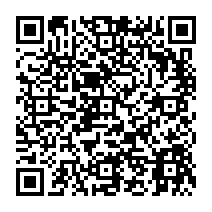
Psychologists can provide consultations in the following formats:
- Offline consultation (in-person meeting).
- Online consultation via audio and video.
Dear 1st year students!
You have the opportunity to take a career guidance test for free and immediately receive the result in the form of a certificate.
By previously issued access codes (keys).
Those who have not saved the code, but wish to take this test and receive a certificate, should contact psychologists at the Psychological Support Service in one of the following ways:
- Leave a QR request.
- By phone/WhatsApp: +77072279582.
- By contacting the SPPiA office on the 1st floor of the main building in person.
A club opens for students of 1-3 courses: "Psychology is my hobby"